
Friday, April 17, 2009

Tuesday, April 14, 2009

Monday, April 13, 2009
Rocks
Earth's crust began as molten rock. In the beginning all rock were igneous. Volcanoes deliver igneous rocks to the surface. Rock that forms underground is called intrusive rocks. Rocks that form from igneous rock fragments are called sedimentary rocks. Sand that is formed into rock is called sandstone. Layers of coal is formed from volcanic ash. Limestone is formed from skeletons of micro-organisms. Rocks that have been changed since they first formed are called metamorphic rocks. Limestone turns into marble under a great amount of pressure. When metamorphic rock reaches the surface, it weathers and turns into sedimentary rocks.
Friday, April 3, 2009

Wednesday, April 1, 2009

Tuesday, March 31, 2009
Gases of the Atmosphere
The gases that make up the Earth and the percentages are, Nitrogen 78%, Oxygen 21%, Argon 0.9%, Carbon Dioxide 0.03%
Most of the earth's atmosphere is within 10 miles of the earth's surface
The air pressure at sea level is about 14.7 pounds per square inch
At 10,000 feet the pressure is about 10 pounds per square inch
The troposphere starts from about ground or water level up to about 11 miles high
The temperature generally decreases as altitude increases
The stratosphere is between 11 and 31 miles off the surface
The stratosphere increases in temperature as altitude increases
The earth's atmosphere was formed from planetary degassing, a process where gases are released from the earth's interior
Life forms modified Earth's atmosphere since their evolution
The atmosphere is mostly made of nitrogen
Nitrogen is important for the development and maintenance of life
Oxygen is second most in our atmosphere
Oxygen is good for keeping you and your brain alive and working
The third most in our atmosphere is Argon, it is good for non reactions
Carbon dioxide is the fourth most gas in the atmosphere, it is good for providing plants the ability to produce oxygen.
Other non gases are Neon, Helium, Krypton, and Hydrogen
Friday, March 27, 2009
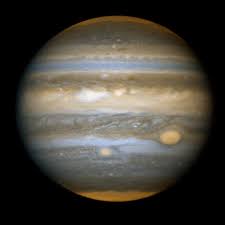
1. The original atmosphere is similar to Jupiter's atmosphere.

2. The Troposphere is where all the weather happens at.
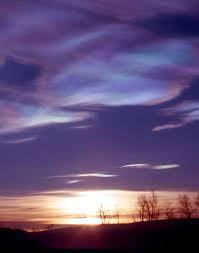
3. In the Stratosphere, air flows mostly horizontally.
4. The ozone layer is primarily for protecting the Earth from massive ultraviolet radiation. The ozone layer minimizes the amount of UV radiation that hits the earth.

5. The ionosphere is where atoms are ionizing, or gaining or losing electrons.
Subscribe to:
Posts (Atom)